Lawn Care in Mill Hill: A Practical, Local-Friendly Approach to a Better Garden
Keeping a lawn healthy in Mill Hill is not just about mowing once in a while. It is about understanding local conditions, seasonal changes, soil health, and the day-to-day needs of grass in a busy North London setting. Whether you have a small front garden, a family lawn, or a larger outdoor space, thoughtful lawn care in Mill Hill can make a noticeable difference to the appearance, value, and enjoyment of your home.
Mill Hill lawns face a mix of challenges: variable rainfall, shaded areas from mature trees, compacted soil from foot traffic, and the occasional dry spell in summer. The good news is that with the right approach, your turf can stay greener, thicker, and more resilient throughout the year. From feeding and aeration to mowing and weed control, effective Mill Hill lawn care is about consistent habits rather than quick fixes.
In this article, we will look at the most important parts of maintaining a beautiful lawn in Mill Hill, including seasonal tasks, practical maintenance tips, and common problems homeowners encounter. If you want a lawn that looks inviting and stays healthy year-round, the advice below will help you get there.
Why Lawn Care in Mill Hill Needs a Local Approach

Not all lawns behave the same way, and lawn care in Mill Hill benefits from a localised strategy. The area’s mix of residential streets, mature gardens, and different soil conditions means that one lawn may thrive in partial shade while another struggles with drainage or wear. That is why a tailored routine often works better than a generic one-size-fits-all plan.
Many homes in Mill Hill have established gardens with trees and hedges that affect sunlight levels. Grass growing under shade usually needs more careful mowing, less aggressive feeding, and attention to airflow. In sunnier spots, the challenge may be dryness and patchy growth during warm periods. Understanding your own garden’s microclimate is the first step toward better results.
Another important factor is foot traffic. Family lawns, pet areas, and pathways used regularly can quickly lead to compaction and thinning. That is where structured Mill Hill lawn maintenance comes in, helping grass recover and grow densely again. A healthy lawn is not only attractive; it also helps reduce mud, suppress weeds, and create a more usable outdoor space.
What Makes Mill Hill Lawns Unique?
Mill Hill properties often feature a blend of traditional garden layouts and modern landscaping. This means lawn care needs to accommodate everything from ornamental borders to play areas and shaded corners. In many cases, a lawn in Mill Hill must look good while also standing up to daily use. That balance requires a steady routine, the right products, and attention to timing.
Local weather patterns also matter. In periods of persistent rain, lawns can become waterlogged or prone to moss. During dry stretches, they may suffer from stress and discolouration. By responding to these changes early, you can avoid larger problems later. That is one reason professional lawn care in Mill Hill is often seen as a year-round investment rather than a seasonal task.
Ultimately, the best lawns in the area are usually the result of regular, informed care. If you understand what your lawn needs and when it needs it, you can maintain a neat, welcoming space that fits naturally with the character of Mill Hill homes.
Core Lawn Care Practices for Mill Hill Gardens
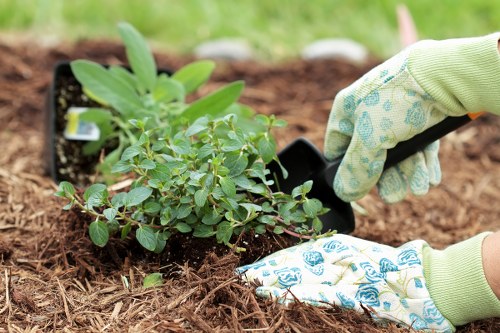
Successful lawn care in Mill Hill starts with the basics. These are the tasks that, when done consistently, create strong, healthy grass. You do not need a complicated routine, but you do need a sensible one. The main priorities are mowing, watering, feeding, aerating, and keeping weeds under control.
Mowing is one of the most important activities. Cutting grass too short can weaken the lawn, especially in warmer weather or shady areas. A slightly higher cut helps the grass retain moisture and develop deeper roots. In many Mill Hill gardens, a moderate mowing height is ideal because it supports both appearance and resilience.
Watering matters most during dry spells. Rather than watering little and often, it is usually better to water deeply but less frequently. This encourages roots to grow downward in search of moisture. A well-watered lawn is more likely to recover from stress and remain green for longer periods. However, overwatering can create soft, shallow-rooted turf and increase disease risk.
Feeding the Lawn Properly
Grass needs nutrients to stay dense and vibrant. A balanced fertiliser can improve colour, root growth, and recovery after stress. For Mill Hill lawn care, feeding is best timed to seasonal growth patterns. Spring and autumn are usually the most effective periods for applying nutrients, as grass is actively growing and able to absorb them well.
Using the right lawn feed depends on the condition of the turf. A nitrogen-rich feed can support greener growth, while autumn treatments often focus on strengthening roots and preparing the lawn for winter. If your lawn has moss, weeds, or poor colour, it may need a more specific treatment plan rather than a general feed.
- Apply fertiliser when the grass is actively growing.
- Follow product instructions carefully to avoid scorching.
- Choose treatments suited to the season.
- Water lightly if required after feeding.
When combined with mowing and watering, regular feeding can significantly improve the overall look and feel of your lawn in Mill Hill.
Seasonal Lawn Care in Mill Hill

One of the smartest ways to manage lawn care in Mill Hill is to break the year into seasons. Each season brings different conditions, and your lawn will respond better if you adjust your routine accordingly. Seasonal care helps you stay ahead of common problems and maintain consistent growth.
Spring Lawn Care
Spring is a key recovery period after winter. This is the time to remove debris, assess any bare patches, and start feeding again. Grass begins to grow more actively as temperatures rise, so mowing becomes more regular. Light raking may help remove dead material and encourage new shoots.
Spring is also a good time to deal with moss and compacted soil. If your lawn has become flattened over winter, aeration can help air, water, and nutrients reach the roots more effectively. A well-prepared spring lawn often looks healthier by early summer.
Summer Lawn Care
Summer conditions can place a lot of stress on turf, especially if rainfall is limited. The key is to avoid overworking the lawn. Raise mowing height slightly, water deeply if needed, and avoid using the grass when it is very dry and fragile. If you notice scorching or patchiness, reduce stress rather than increasing maintenance intensity.
For many homeowners, summer is also when weeds become more visible. Regular lawn care in Mill Hill during this period may include targeted weed control, careful watering, and observation for pests or fungal issues. Healthy summer lawns are usually the result of good spring preparation and sensible summer habits.
Autumn Lawn Care
Autumn is one of the most important seasons for repairing and strengthening turf. Conditions are cooler and wetter, which makes it a great time for overseeding, feeding, and aerating. If your lawn has bare or thin areas, autumn offers an excellent opportunity to improve coverage before winter arrives.
This is also the season for clearing leaves. Allowing leaves to sit on the lawn too long can block light and airflow, leading to yellowing or disease. A tidy autumn routine supports better health and prepares the lawn for the colder months ahead.
Winter Lawn Care
In winter, the focus shifts to protection. Avoid unnecessary walking on frosty grass because it can cause damage. Keep the lawn clear of heavy debris, and minimise disturbance while the grass is dormant. Good winter care helps prevent compaction and keeps the lawn ready for spring recovery.
Even when growth slows down, lawn care in Mill Hill does not stop completely. A little attention during winter can save a lot of work later and preserve the condition of your turf.
Common Lawn Problems in Mill Hill and How to Address Them

Every lawn faces problems at some point, and Mill Hill gardens are no exception. The most common issues include moss, weeds, thinning grass, compacted soil, and patchy growth. Effective lawn care in Mill Hill means spotting these problems early and dealing with them in a structured way.
Moss and Damp Areas
Moss often appears where grass is struggling due to shade, poor drainage, or compacted ground. While moss may look soft and green, it usually signals that the lawn conditions are not ideal. Improving drainage, reducing shade where possible, and aerating the soil can all help. In some cases, using a moss treatment followed by overseeding is the best option.
Weeds
Weeds compete with grass for light, nutrients, and space. A thick, healthy lawn is the best defence because it leaves less room for weed growth. Spot treatments, hand removal, and regular maintenance can all help keep weed levels under control. If weeds keep returning, the underlying issue may be poor turf density or soil imbalance.
Bare Patches
Bare patches can appear due to heavy use, pet damage, drought, or disease. The solution depends on the cause, but in many cases, reseeding and improved care are enough to restore the area. Lightly loosening the soil, spreading seed, and keeping the patch moist until new grass establishes are practical steps that work well in Mill Hill lawn maintenance.
Compaction and Poor Drainage
Compacted soil restricts root growth and makes it harder for water to penetrate evenly. This can leave lawns weak, patchy, and more vulnerable to disease. Aeration is often the most effective response. It creates small holes in the soil and helps restore healthier conditions for root development.
Poor drainage may also need attention in the form of topdressing, improved soil structure, or professional intervention. If water regularly sits on the surface after rain, it is worth addressing quickly before the problem spreads.
Keeping up with these issues is a major part of good lawn care in Mill Hill, especially in gardens that have been established for many years.
Improving Lawn Health with Aeration, Overseeding, and Topdressing

When a lawn needs more than basic mowing and feeding, three powerful techniques often make a big difference: aeration, overseeding, and topdressing. These methods are especially useful in lawn care in Mill Hill because many local lawns benefit from improved soil structure and better grass density.
Aeration
Aeration involves creating small holes in the soil to relieve compaction. This allows air, water, and nutrients to move more freely to the root zone. It is particularly useful in areas that experience frequent foot traffic or have heavier soil. If your lawn feels hard, drains poorly, or looks tired, aeration may be exactly what it needs.
Overseeding
Overseeding is the process of adding grass seed to an existing lawn to thicken thin areas and improve appearance. It works best when combined with aeration, because the seed can settle into the soil more easily. Overseeding is a smart way to refresh a lawn without starting from scratch. It can also help introduce stronger grass varieties that better suit your garden conditions.
Topdressing
Topdressing adds a thin layer of material such as compost or a soil-sand mix to improve the surface and support healthy growth. It can level out small bumps, improve soil texture, and support better seed establishment. For many Mill Hill gardens, topdressing is a valuable part of long-term lawn improvement.
Used together, these techniques can transform a weak lawn into a thicker, more attractive space. They are particularly useful after winter damage or when a lawn has started to decline due to age or heavy use. If you want lasting results from lawn care in Mill Hill, these methods are well worth considering.
When to Use These Treatments
- Spring: useful for repair, recovery, and early growth.
- Autumn: ideal for overseeding and strengthening roots.
- After heavy use: helps restore density and reduce thinning.
- When drainage is poor: aeration can improve overall soil performance.
By applying the right treatment at the right time, you can keep your lawn looking full and well cared for throughout the year.
Practical Mowing Tips for a Neat Mill Hill Lawn
Mowing may seem simple, but it has a major impact on lawn quality. The way you mow affects how grass grows, how it handles stress, and how good it looks overall. For lawn care in Mill Hill, mowing correctly is one of the easiest ways to improve results without making major changes to your garden.
First, keep blades sharp. A dull mower tears grass instead of cutting it cleanly, which can leave jagged edges and make the lawn look dull. Second, avoid cutting too much at once. Removing more than a third of the grass height in one go can shock the lawn and weaken growth. Third, change mowing direction occasionally so the grass does not lean in one direction and the soil is not compacted in the same pattern every time.
It also helps to mow when the grass is dry, because wet mowing can create clumps and uneven cuts. In shaded areas, allow slightly higher growth to help blades capture more light. These small habits can make a big difference to the appearance and health of your Mill Hill garden.
Useful Mowing Habits
- Cut regularly rather than letting the grass grow too long.
- Adjust cutting height according to season and weather.
- Leave clippings only if they are light and evenly spread.
- Clean the mower periodically to keep it performing well.
When done properly, mowing is not just maintenance; it is an important part of creating a stronger lawn.
Building a Lawn Care Routine That Works
The most effective lawn care in Mill Hill is consistent. A simple routine is often better than occasional intensive work. If you establish a plan and stick to it, the lawn will gradually improve and become easier to maintain.
A good routine might include weekly mowing during active growth periods, seasonal feeding, occasional aeration, weed monitoring, and regular inspections for damage or thinning. The exact schedule depends on your lawn’s size, condition, and amount of use, but the principle is the same: steady care produces better results than neglect followed by a major repair effort.
Mill Hill lawn care can also be adapted to your lifestyle. If you want a neat appearance with minimal upkeep, focus on a manageable mowing schedule and a few high-impact treatments. If you want a premium lawn with dense, rich turf, then feeding, overseeding, and aeration may play a larger role. Either way, planning ahead makes maintenance far easier.
Simple Routine Checklist
- Inspect the lawn weekly for weeds, patches, or dry areas.
- Mow at the right height for the season.
- Feed during key growth periods.
- Aerate compacted areas when needed.
- Overseed thin spots before they worsen.
- Protect the lawn from heavy wear in wet or frosty weather.
These small actions add up over time and help preserve the quality of your outdoor space.
Why Professional Lawn Care in Mill Hill Can Be Worth It
Some homeowners enjoy managing their own gardens, while others prefer support from experienced professionals. Either approach can work, but professional lawn care in Mill Hill can be especially valuable when you are dealing with persistent weeds, poor soil, patchy growth, or a lawn that simply needs a fresh start.
Professionals usually bring experience, the right tools, and knowledge of what works best in local conditions. They can assess the lawn, identify the root cause of problems, and recommend treatments that fit the garden’s needs. This can save time, reduce guesswork, and lead to more reliable results.
There is also value in consistency. A scheduled service can keep the lawn on track throughout the year, which is particularly helpful for busy households. If you want your outdoor space to look its best without having to manage every detail yourself, professional help can be a smart investment.
Whether you handle the work yourself or work with specialists, the same principle applies: good lawn care in Mill Hill is about regular attention, practical decisions, and treatment tailored to the condition of the grass.
Final Thoughts on Lawn Care in Mill Hill
A healthy lawn does not happen by accident. It is the result of steady maintenance, seasonal awareness, and a good understanding of local conditions. For homeowners who want better results, lawn care in Mill Hill offers a clear path toward a greener, tidier, and more enjoyable garden.
By focusing on mowing, feeding, watering, aeration, and weed control, you can improve both the appearance and resilience of your grass. If your lawn is struggling, do not assume it is beyond repair. Many issues can be corrected with the right approach and a little patience. From thin patches to mossy corners, even problem areas can improve over time with consistent care.
If you are ready to make a positive change, start with the basics and build from there. Keep an eye on seasonal needs, respond early to problems, and use treatments that suit your garden’s condition. For homeowners seeking a polished, welcoming outdoor space, Mill Hill lawn care is a worthwhile investment in the comfort and character of the home.
Book your service now or contact us today to take the next step toward a stronger, healthier lawn in Mill Hill.

