Recycling and Sustainability for Landscapers Mill Hill
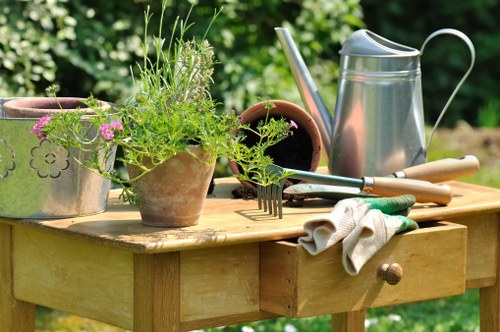 Landscapers Mill Hill is committed to eco-friendly waste disposal that supports cleaner outdoor spaces, lower landfill use, and a more circular approach to garden and site clearances. Our recycling and sustainability service is designed for customers who want their green waste, mixed waste, and reusable materials handled with care, so more of what is collected can be sorted, recovered, and put back into productive use. By choosing a sustainable rubbish area for disposal, customers can reduce unnecessary transport, support local reuse networks, and make everyday clearances more environmentally responsible.
We work with a clear recycling percentage target across suitable loads, aiming to divert as much material as possible away from landfill and toward reuse or processing facilities. Where waste is separable, our team prioritises wood, metal, green cuttings, cardboard, plastics, and inert materials for recovery. This is particularly important in Mill Hill and the wider boroughs, where waste separation expectations continue to improve and local households and businesses are increasingly looking for greener ways to manage rubbish. Our approach to landscapers Mill Hill recycling helps make that easier.
For projects that generate a mixture of green waste and general clearance items,  we use practical sorting methods that support an efficient eco-friendly waste disposal area. Materials are assessed on-site or at the point of transfer, and where possible they are directed to the correct waste stream rather than being combined unnecessarily. This includes soft landscaping waste, soil, branches, broken paving, and packaging from new installations. Responsible waste separation helps improve recycling outcomes and reduces the carbon intensity of each collection.
Local Processing and Transfer Partnerships
To support a more sustainable rubbish area, we rely on local transfer stations and approved recycling facilities that can process loads close to where they are collected. Using nearby transfer stations helps reduce driving distance, lowers emissions, and speeds up material recovery. It also supports a more resilient local waste network, which is especially useful for larger landscaping clearances, regular maintenance waste, and seasonal garden disposals. The closer the journey, the lower the carbon footprint of the overall service.
Our recycling for Landscapers Mill Hill is built around careful routing to approved local transfer stations, where sorted waste can be weighed, inspected, and sent onward to facilities suited to each material type. Green waste may be turned into compost or mulch, timber may be recovered, and certain aggregates may be separated for reuse in construction or landscaping applications. This type of local processing aligns with boroughs that encourage better segregation at source and helps keep recyclable materials in circulation for longer.
 We also support partnerships with charities that can make use of suitable surplus items from clearances. When safe and practical, reusable outdoor items, planters, tools, fixtures, and other non-hazardous materials may be directed toward charitable reuse streams rather than disposal. These partnerships help extend the life of useful goods, support community organisations, and reduce waste volume at the same time. For many customers, this is an important part of a sustainable rubbish area strategy because it treats waste as a resource with value.
Low-Carbon Operations and Greener Collections
Our low-carbon vans are a major part of the sustainability effort. By using fuel-efficient vehicles and planning collections to reduce unnecessary mileage, Landscapers Mill Hill lowers emissions associated with every job. Route optimisation, shared loads, and sensible scheduling all contribute to a smaller environmental impact. This matters for local clearances, especially in built-up areas where multiple small journeys can quickly increase carbon output if not managed carefully.
We also focus on load efficiency, which means collecting waste in a way that maximises each trip and avoids repeat journeys wherever possible. That approach is especially effective for garden waste, hedge cuttings, soil, and mixed landscaping debris. It supports a cleaner eco-friendly waste disposal area because fewer miles are travelled per tonne of waste handled, while more materials are sorted for reuse or recycling. In practical terms, this is one of the simplest ways to make rubbish removal more sustainable without compromising service quality.
Local borough waste practices also influence how we work. Many areas increasingly separate green waste, dry recyclables, and residual waste, and we mirror that mindset in our own operations. Whether the load includes plant pots, untreated wood, metal fixtures, cardboard packaging, or organic cuttings, sorting it correctly improves recovery rates. In Mill Hill and surrounding districts, these small actions add up to a more responsible waste system and a stronger culture of recycling across landscaping and clearance work.
What We Recycle and Recover
Our recycling activities cover a wide range of materials that commonly arise in landscaping and outdoor clearance jobs. These include:
- Green waste such as grass cuttings, hedge trimmings, leaves, and branches
- Wood including untreated fencing, pallets, offcuts, and garden structures
- Metals from fixtures, frames, and dismantled outdoor items
- Cardboard and packaging from landscaping deliveries and projects
- Inert waste such as rubble, soil, and selected aggregate materials
- Reusable items suitable for charity partnerships and community reuse
 Each material type is handled with the aim of increasing recovery and reducing disposal to landfill. For customers who want a more environmentally aware Landscapers Mill Hill recycling service, this means clear waste separation, better sorting, and a stronger chance that useful materials will be processed again rather than discarded. We also keep an eye on contamination, because mixed loads with food waste, liquids, or unsuitable items can reduce the recyclability of otherwise valuable materials.
Why Sustainable Disposal Matters in Mill Hill
Sustainable disposal is not only about recycling more; it is also about making the whole process cleaner, more efficient, and easier to improve over time. When an eco-friendly waste disposal area is planned well, it supports local environmental goals, encourages better habits, and reduces pressure on landfill sites. That is why our work combines sorting, transfer station use, charity reuse, and low-carbon vans into one practical service model.
For landscapes, gardens, and commercial outdoor spaces in Mill Hill, the need for responsible rubbish handling continues to grow. Seasonal pruning, planting upgrades, hard landscaping replacements, and routine maintenance all generate waste that should be treated carefully. By using a sustainable rubbish area and focusing on recycling wherever possible, Landscapers Mill Hill helps customers manage waste in a way that feels modern, efficient, and environmentally conscious.
 Our ongoing goal is simple: keep increasing the recycling percentage target, strengthen charity partnerships, and continue reducing transport emissions through smarter vehicle use and local processing. By combining practical service with greener choices, Landscapers Mill Hill supports a cleaner borough, a lower-carbon waste pathway, and a more sustainable future for every project we handle.

